Custom multimodal datasets
Records, images, audio and device signals, linked across a participant’s timeline and prepared to your specification.
 Data
DataLONGITUDINAL HEALTH DATA FOR AI
Clinical records, device signals and everyday experience from the same people over time. Custom collections for AI training and evaluation.
In development. Scoping initial pilot studies.
WHAT YOU CAN COMMISSION
Commission the collection, preparation or evaluation your model needs. Define the sources, review and delivery together.
Records, images, audio and device signals, linked across a participant’s timeline and prepared to your specification.

Repeated measurements and follow-ups, scoped around the people, signals and duration your research needs.
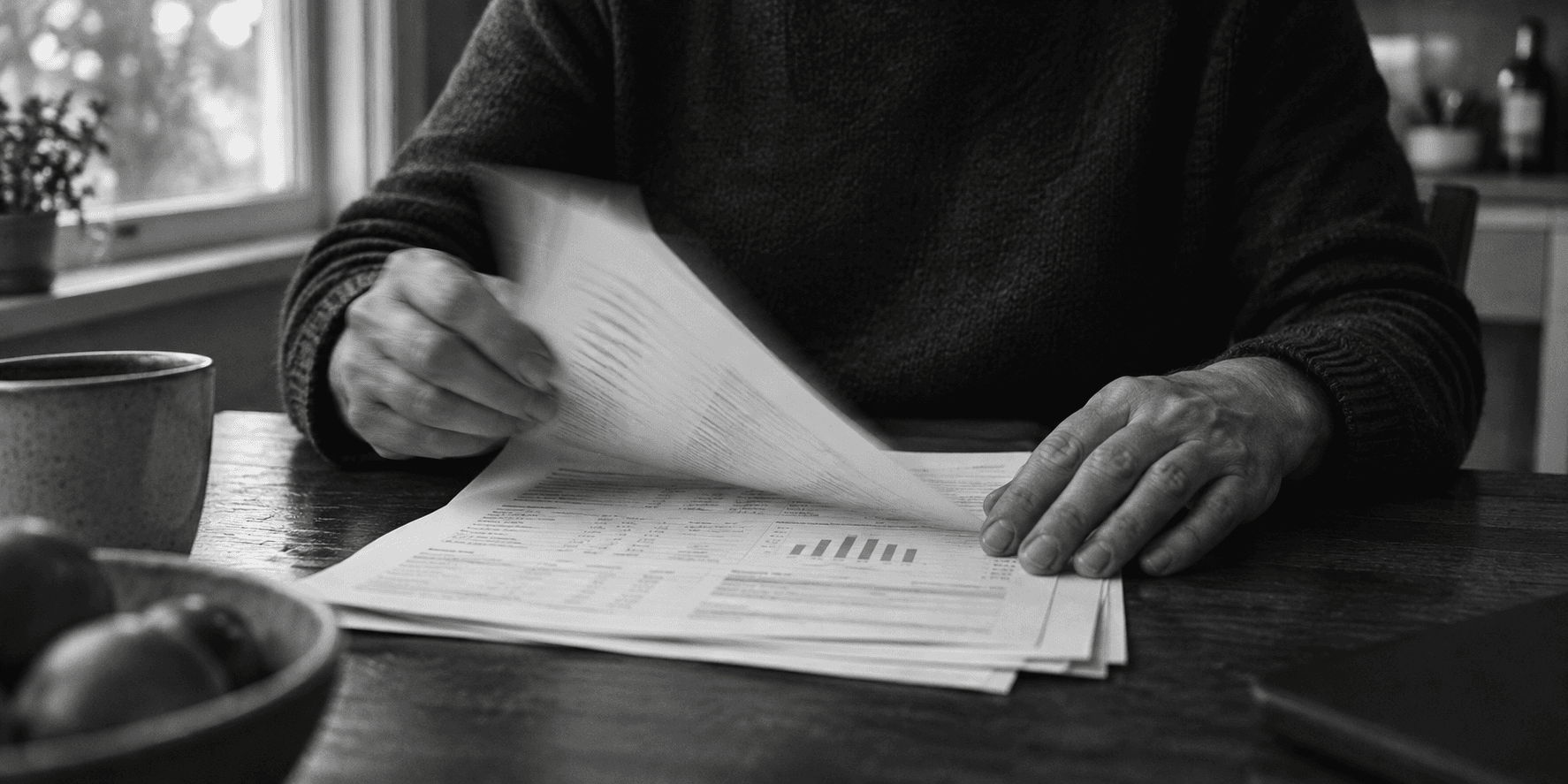
Source-grounded demonstrations, annotations and reference answers, with qualified review defined for the task.
Held-out cases, task-specific rubrics and scoring criteria to assess the capabilities your team wants to improve.
THE COLLECTION EXPERIENCE
The LifeFrom app brings records, measurements and everyday context into a study-defined schedule.
Upload an export, share a record or answer a check-in. Guided capture and follow-ups make room for what happens between visits.
Explore the consumer experience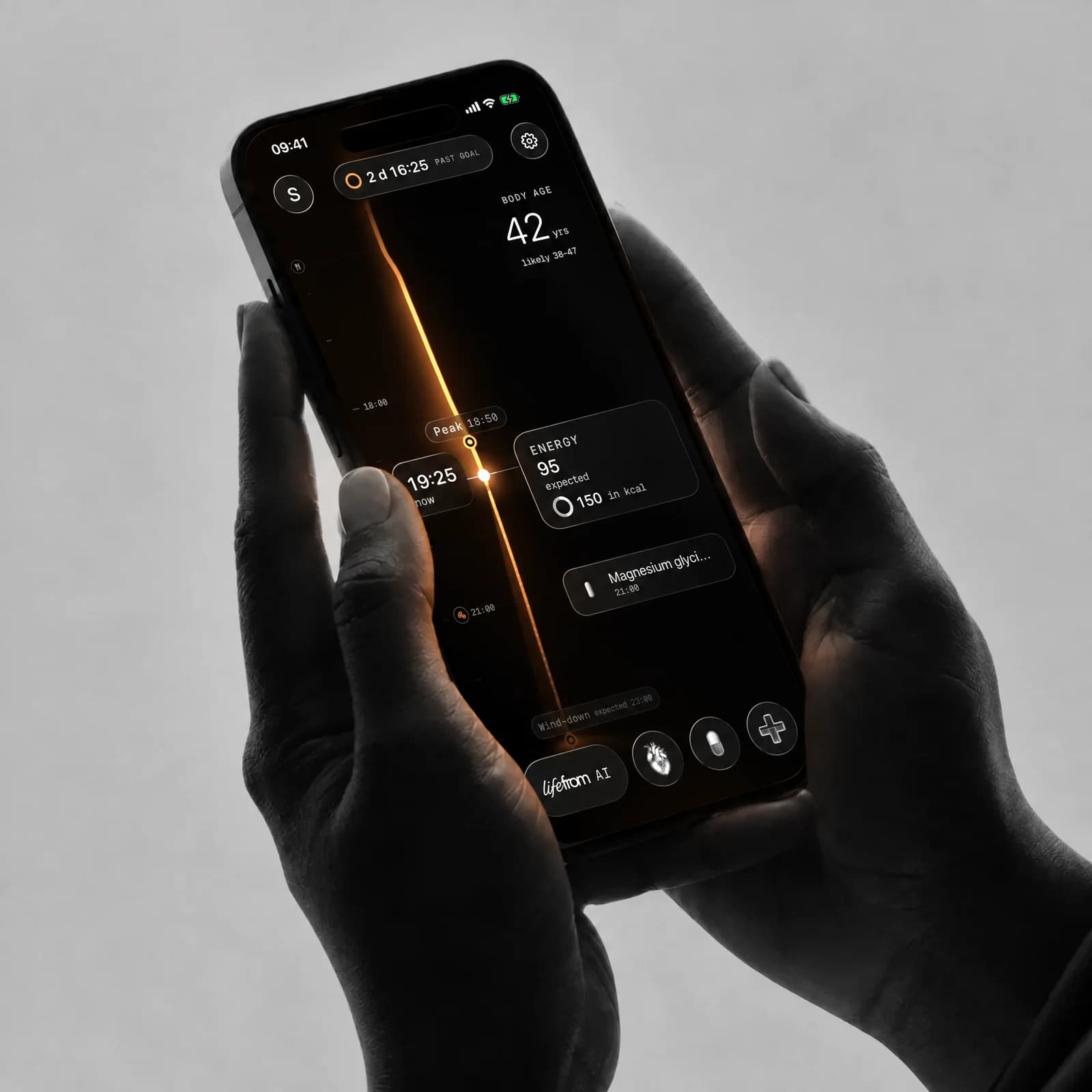
LIFEFROM DEVICES / STARTING WITH THE BAND
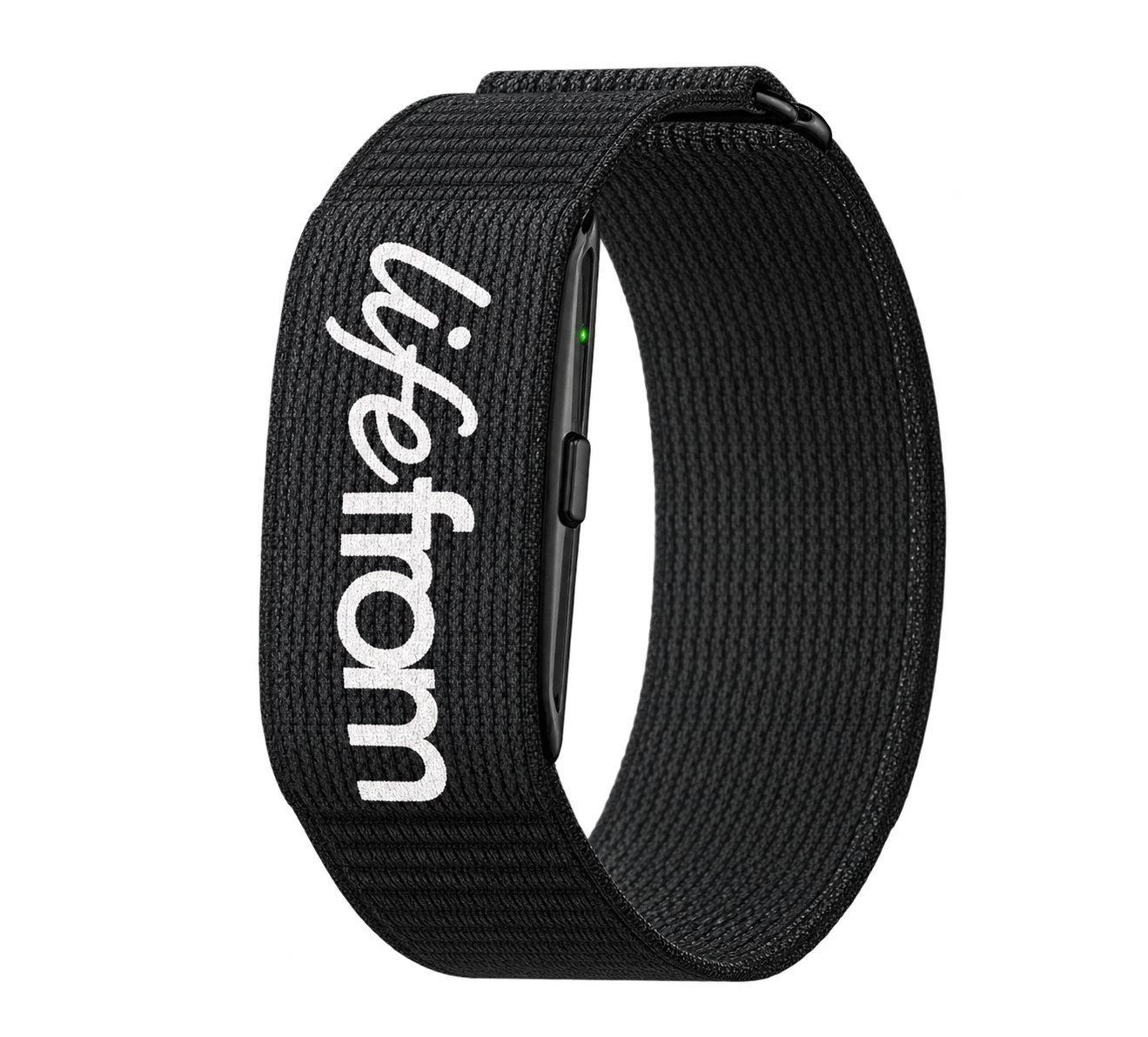
The first device in our planned research lineup. Connected by LifeFrom’s proprietary collection software, with reinforcement learning and evaluation in mind from the outset.
SIGNALS & CAPTURE
Time-stamped device readings, recorded audio and transcripts, connected in the participant’s timeline.
VOICE-ASSISTED DATA LABELING
Meals, exercise, symptoms, medication, supplements and daily routines, described in the participant’s own words. Our study workflow is designed to turn those notes into time-aligned labels, with follow-up questions and participant corrections.
“Just finished a 20-minute bike ride. Started at 8:10. Felt hard.”
Was that indoors or outdoors?
“Indoors, on a stationary bike.”
A button press starts a note. Study check-ins can invite participants to describe an event, then clarify missing details.
Link available readings before, during and after the event.
Heart rate · HRV · activityOriginal audio and source device records, delivered alongside transcripts, time-aligned tags and annotations.
Direct band-to-app integration. LifeFrom links device readings, audio and transcripts in its own system.
Planned task packages pair signal windows, questions, participant corrections and reviewed labels with scoring rubrics for training and evaluation.
Study-specific consent and licensing define which records can be used, by whom, and for what training purpose.
Combine clinical history, measured signals and participant logs. Each source adds a different view of the same timeline.
Bloodwork, DNA, molecular tests and clinical imaging, scoped with source files, reports and follow-ups.
Explore this dataHeart rate, HRV, sleep, activity, temperature and weight. Device signals with timestamps, source metadata and coverage.
Explore this data
Audio, photos and video. Food, medication, supplements and symptoms, logged through guided conversations and check-ins.
Explore this dataCollection scope depends on consent, device access and study feasibility. Raw signals where the source supports them.
Explore all data typesFollow a source-linked record from collection to delivery, with timing, missingness and review decisions intact.
Record + context
Measurements + check-in
Repeat measurement + follow-up
Eligibility, geography, collection windows and follow-up schedule, agreed before recruitment.
Source checks, normalized units and timestamps, documented missingness. Annotation and qualified clinical review scoped to the task.
Versioned JSONL or Parquet, linked media and a dataset card. Training and evaluation splits separated by participant, with task-specific leakage checks.
THE STUDY COMES FIRST
Know where each observation comes from, how it was reviewed and which uses are permitted.

Start with the task. Define the collection together.
Scope a pilot