Photos & video
See the context.
Purposeful visual capture, guided by a study protocol and connected to the same participant history.
Discuss this dataCustom collection concept. Availability and review depend on the study.
What the collection
can include.
Sources and capture methods are selected with your team before recruitment.
Guided photographs
Study-specific images with capture instructions, timestamps and relevant participant context.
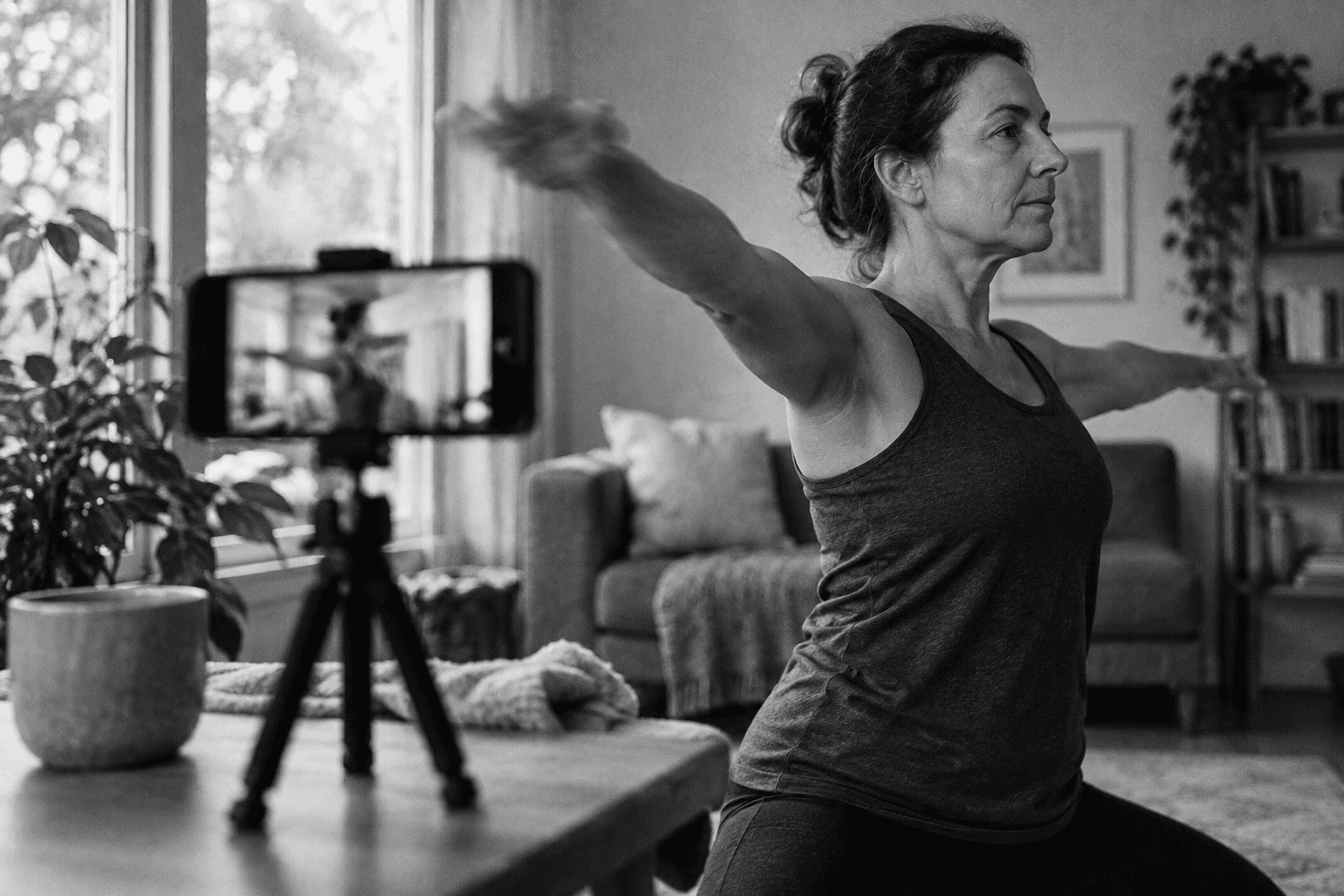
Short video sequences
Consented movement or task recordings with defined framing, duration and capture conditions.
Linked annotations
Capture-quality labels and task-specific annotations. Clinical interpretations need an agreed specialist review process.
Made for your task.
Multimodal understanding, capture-quality assessment and study-specific visual tasks.
Cohort
Capture task, devices, setting, frequency and consent boundaries.
Preparation
Quality screening, media manifests, permitted metadata and consistent linkage.
Review
Framing, lighting, occlusion, duplicate media and annotation agreement.
Delivery
Media files or controlled access, annotations and a documented capture protocol.
Scope matters.
This is a proposed collection capability, not an existing medical image archive. Identifying faces, surroundings and bystanders require explicit safeguards. Clinical endpoints need qualified review.
Inspect the delivery.
Data & metadata
Agree on source files, structured observations, identifiers, timestamps and permitted linkage.
Labels & quality
Document label definitions, reviewer roles, uncertainty and acceptance rules. Separate collected data from derived interpretation.
Rights & access
Define permitted use, recipients, transfer method, retention and withdrawal handling before collection.