
Wearables & sensors
The signals between visits.
Repeated measurements, paired with the context that helps your team interpret what changed and when.
Discuss this dataCustom collection concept. Availability and review depend on the study.
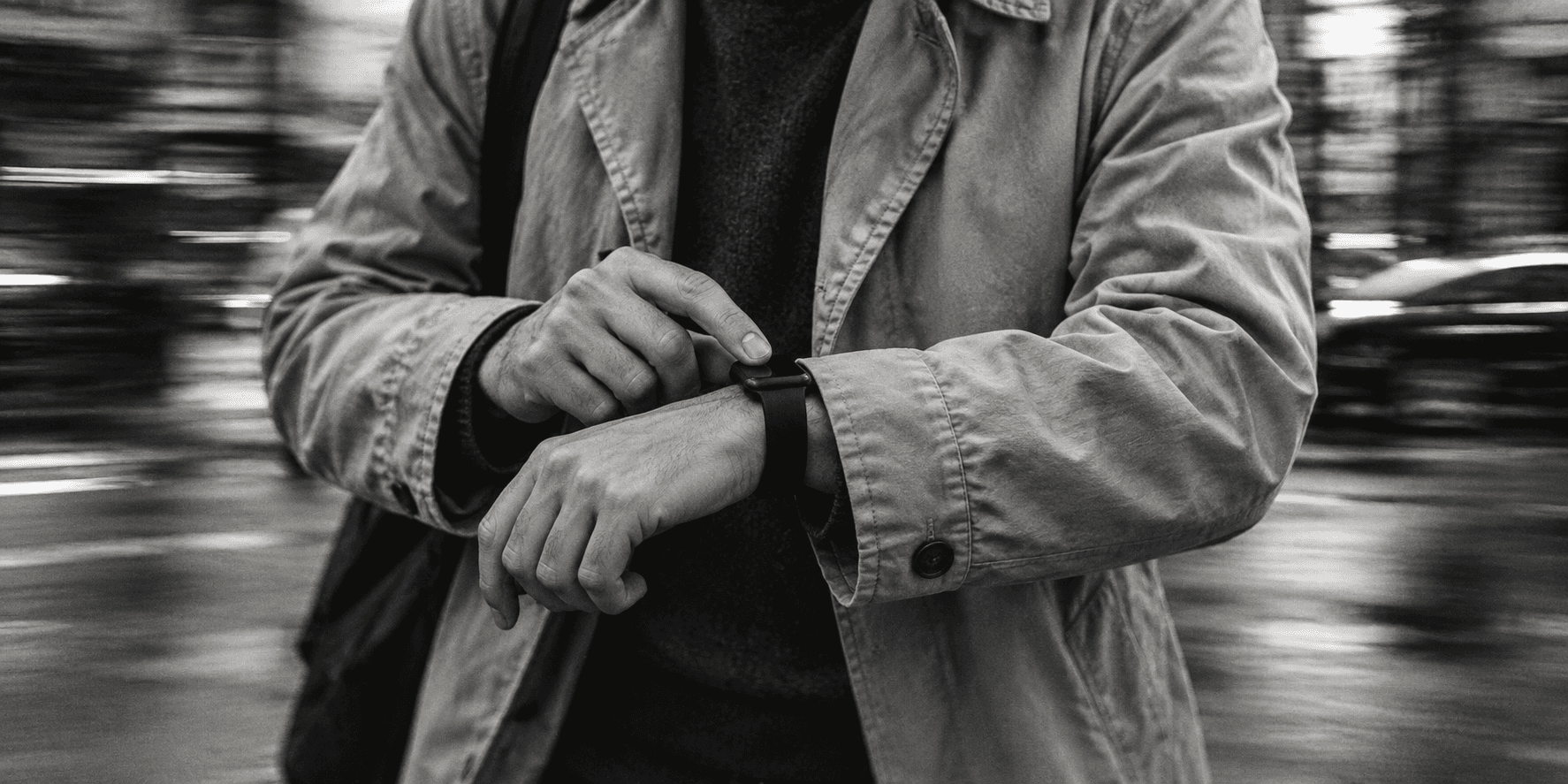
What the collection
can include.
Sources and capture methods are selected with your team before recruitment.
Wearable signals
Heart rate, HRV, sleep, steps and activity, with source access, device model, aggregation windows and data gaps documented. Raw waveforms and vendor-derived metrics are specified separately.
Home measurements
Temperature, weight, blood pressure, glucose or oxygen saturation, selected around the device, capture method and study protocol. Manual entries retain their reported source.
Aligned context
Symptoms, food, exercise, medication and supplement logs collected alongside measurements, with reported and measured information kept separate.
Made for your task.
Time-series modeling, multimodal representation learning and change detection.
Cohort
Device access, measurement method, cadence and minimum coverage.
Preparation
Time zones, sampling and aggregation rules, device metadata and gap reporting.
Review
Range checks, timestamp consistency, device changes and protocol deviations.
Delivery
Time-indexed observations, coverage summaries and a source-specific schema.
Scope matters.
Raw sensor streams depend on the source API and permissions. A daily device summary is not raw waveform data. Hardware integration and clinical validation are separately scoped.
Inspect the delivery.
Data & metadata
Agree on source files, structured observations, identifiers, timestamps and permitted linkage.
Labels & quality
Document label definitions, reviewer roles, uncertainty and acceptance rules. Separate collected data from derived interpretation.
Rights & access
Define permitted use, recipients, transfer method, retention and withdrawal handling before collection.