
MRI & clinical imaging
Beyond the written report.
Pair imaging studies with their reports and follow-up context, where source access supports the study.
Discuss this dataCustom collection concept. Availability and review depend on the study.
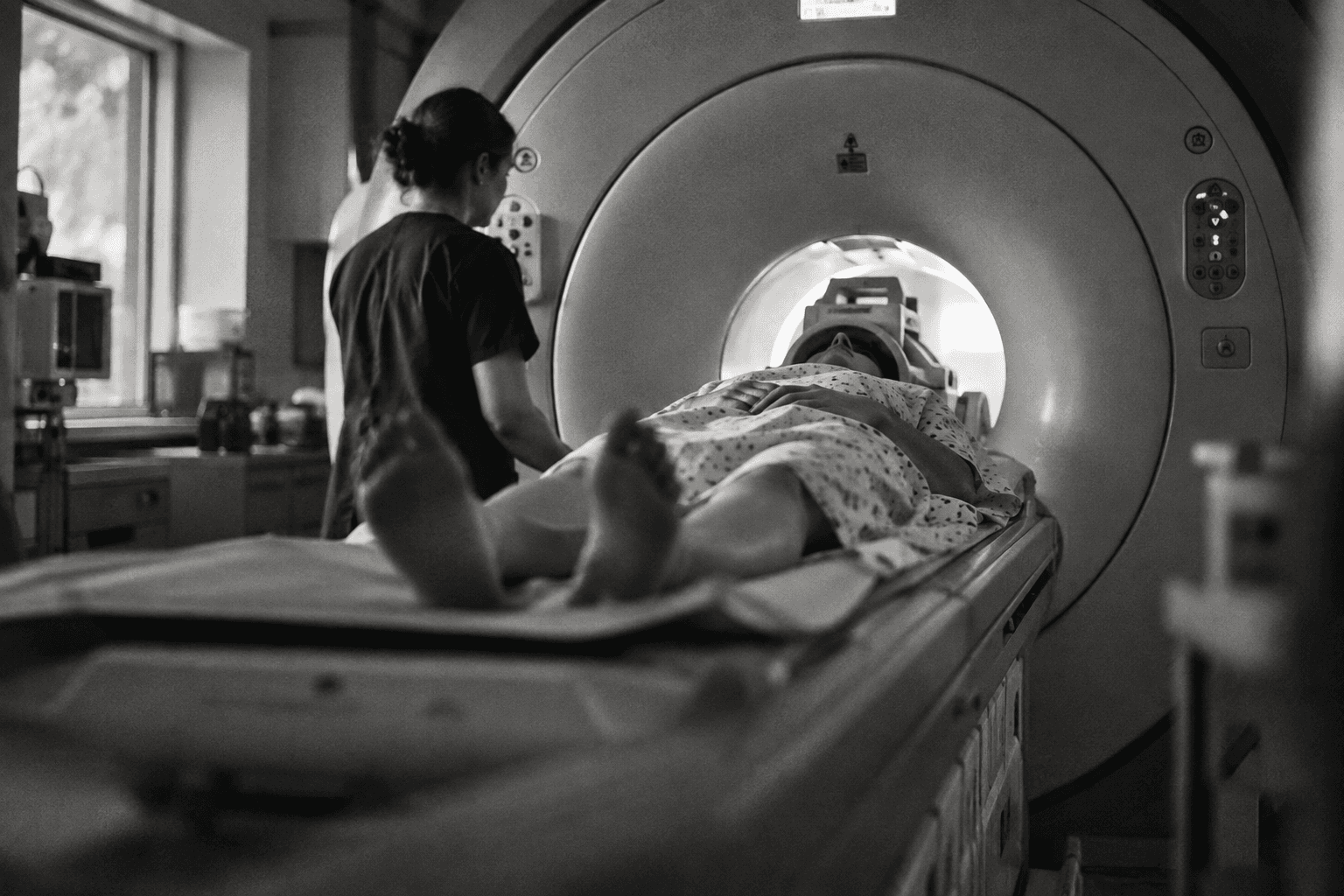
What the collection
can include.
Sources and capture methods are selected with your team before recruitment.
Clinical image studies
MRI, CT, X-ray or ultrasound files scoped by modality, anatomy, acquisition protocol and lawful source access.
Reports and observations
Source radiology reports, study dates and related clinical observations. Report text stays distinct from an image-level annotation.
Specialist annotations
Task-specific findings, regions or segmentations commissioned under an agreed specialist review protocol.
Made for your task.
Image-report alignment, multimodal case understanding and task-specific evaluation.
Cohort
Modality, body region, source sites, acquisition parameters and repeat-study needs.
Preparation
Study and series manifests, format validation and review of identifying metadata or burned-in text.
Review
Image quality, annotation definitions, reviewer credentials and adjudication rules.
Delivery
Permitted image files or controlled access, linked reports and versioned annotations.
Scope matters.
A report upload does not provide the underlying image study. New scans require clinical arrangements and appropriate protocols. Specialist labels, de-identification and source rights must be established for each collection.
Inspect the delivery.
Data & metadata
Agree on source files, structured observations, identifiers, timestamps and permitted linkage.
Labels & quality
Document label definitions, reviewer roles, uncertainty and acceptance rules. Separate collected data from derived interpretation.
Rights & access
Define permitted use, recipients, transfer method, retention and withdrawal handling before collection.