
For AI labs & health AI teams
Your question.
The data to answer it.
Custom collection, dataset preparation and evaluation design. Start with the gap in your model’s understanding of human health.
Scope a pilotProposed services. Scope, staffing and feasibility agreed for each pilot.

Collect what is missing.
Design a prospective cohort around the people, measurements and follow-ups your model needs. The app makes room for records, devices and everyday context in one study.
- SCOPEEligibility, source access, geography and participant burden.
- PROTOCOLCapture instructions, measurement cadence and follow-up windows.
- OUTPUTA linked record with source metadata and documented coverage.
Turn inputs into a dataset.
Define a consistent structure without losing where an observation came from. Review and annotation are designed around the intended use.
- NORMALIZEUnits, dates, source types and study-specific identifiers.
- REVIEWQuality thresholds, annotation instructions and qualified review where required.
- OUTPUTVersioned data, label provenance, a data dictionary and quality report.
Build the cases that test it.
Scope evaluation cases around a concrete task: extracting a measurement, summarizing a history or answering a question with the right evidence.
- TASKDefine model inputs, expected outputs and the information available at prediction time.
- REFERENCEAgree on reference answers, rubric design and adjudication.
- OUTPUTHeld-out cases and a scoring specification, with participant and temporal leakage controls.
Choose the artifact.
Then shape the study.
Different experiments need different data. These are formats we can scope, not an off-the-shelf catalog.
Custom datasets
Longitudinal observations collected to an agreed specification, with source context and study-defined labels.
Multimodal datasets
Link records, time series, language and visual inputs around the same participant and collection window.
Evaluation sets
Task inputs, reference answers and scoring criteria, separated from training data.
Reviewed training examples
Where qualified reviewers are engaged, source-grounded examples or preference comparisons with an explicit annotation protocol.
Expert demonstrations require expert contributors. Clinical records and self-reports alone are not reasoning traces or preference labels.
Explore example datasets ↗One study.
Several ways to observe.
Choose the inputs that answer the question. Add another modality only when it adds useful context.

Records & labs↗
Clinical records become more useful when you can trace each observation back to its source and forward to a follow-up.

Wearables & sensors↗
Repeated measurements, paired with the context that helps your team interpret what changed and when.

Voice & check-ins↗
Guided conversations and repeat check-ins add the experience that a measurement alone cannot capture.
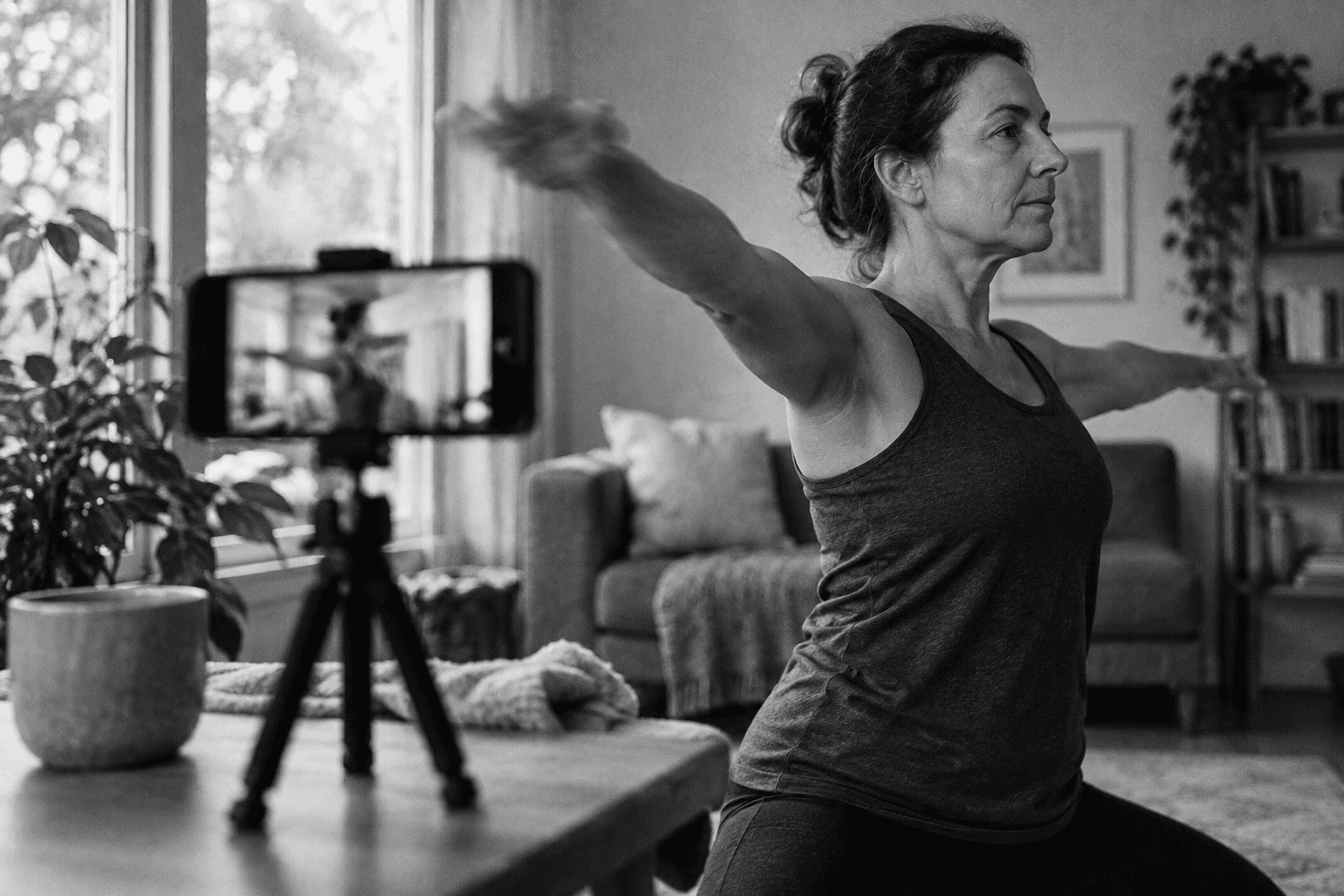
Photos & video↗
Purposeful visual capture, guided by a study protocol and connected to the same participant history.
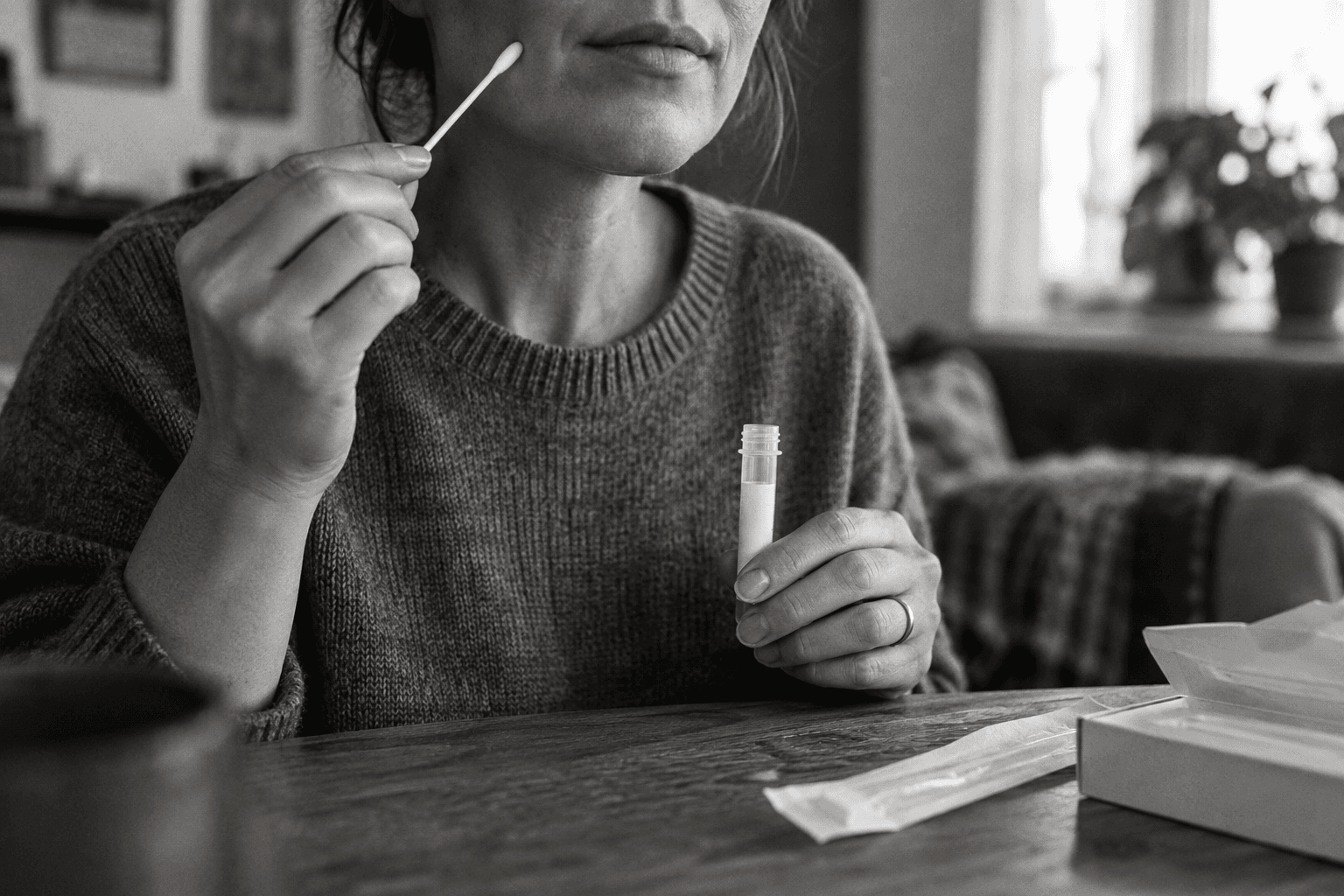
DNA & molecular tests↗
Connect genetic and molecular test results to the measurements and experiences that follow.
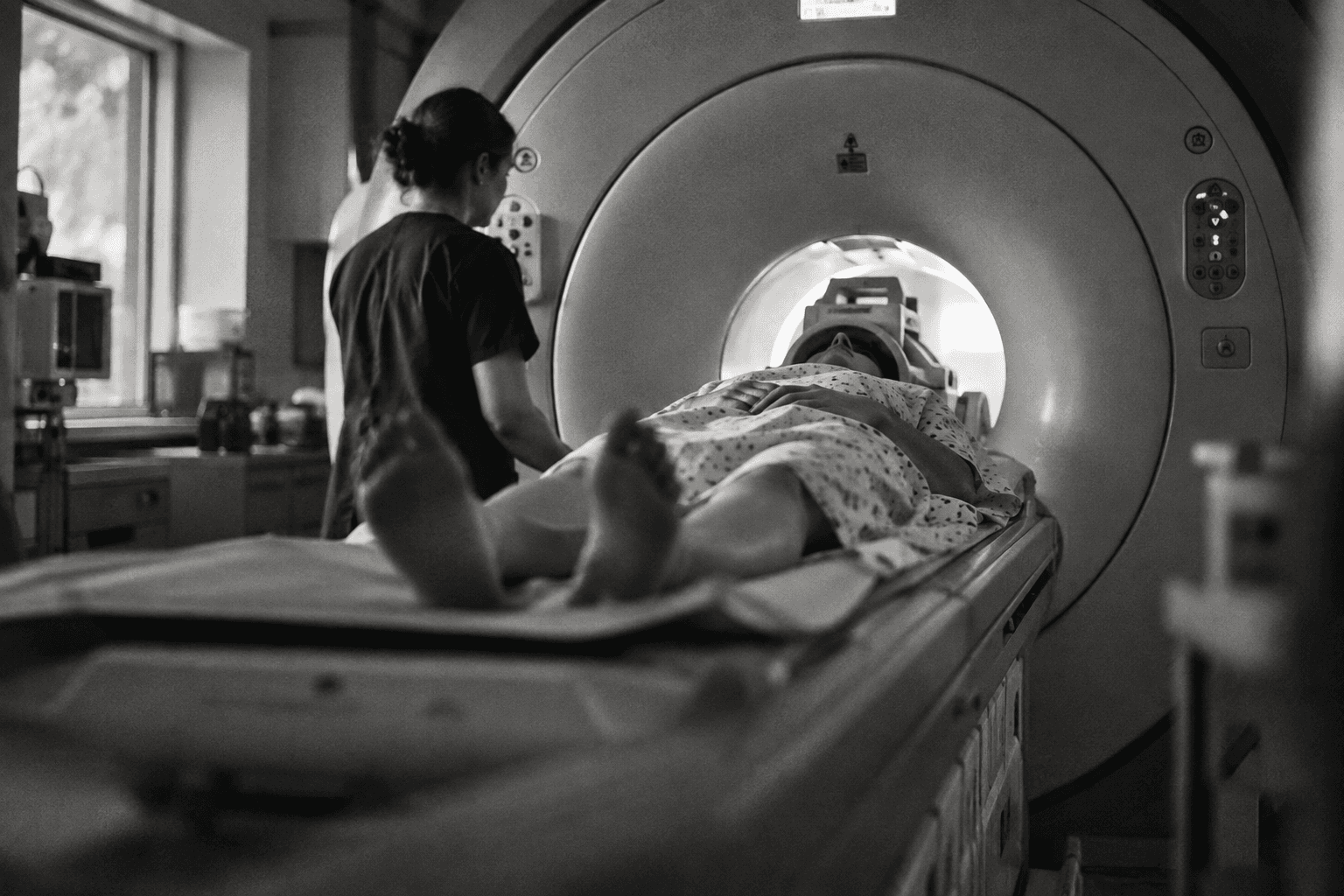
MRI & clinical imaging↗
Pair imaging studies with their reports and follow-up context, where source access supports the study.
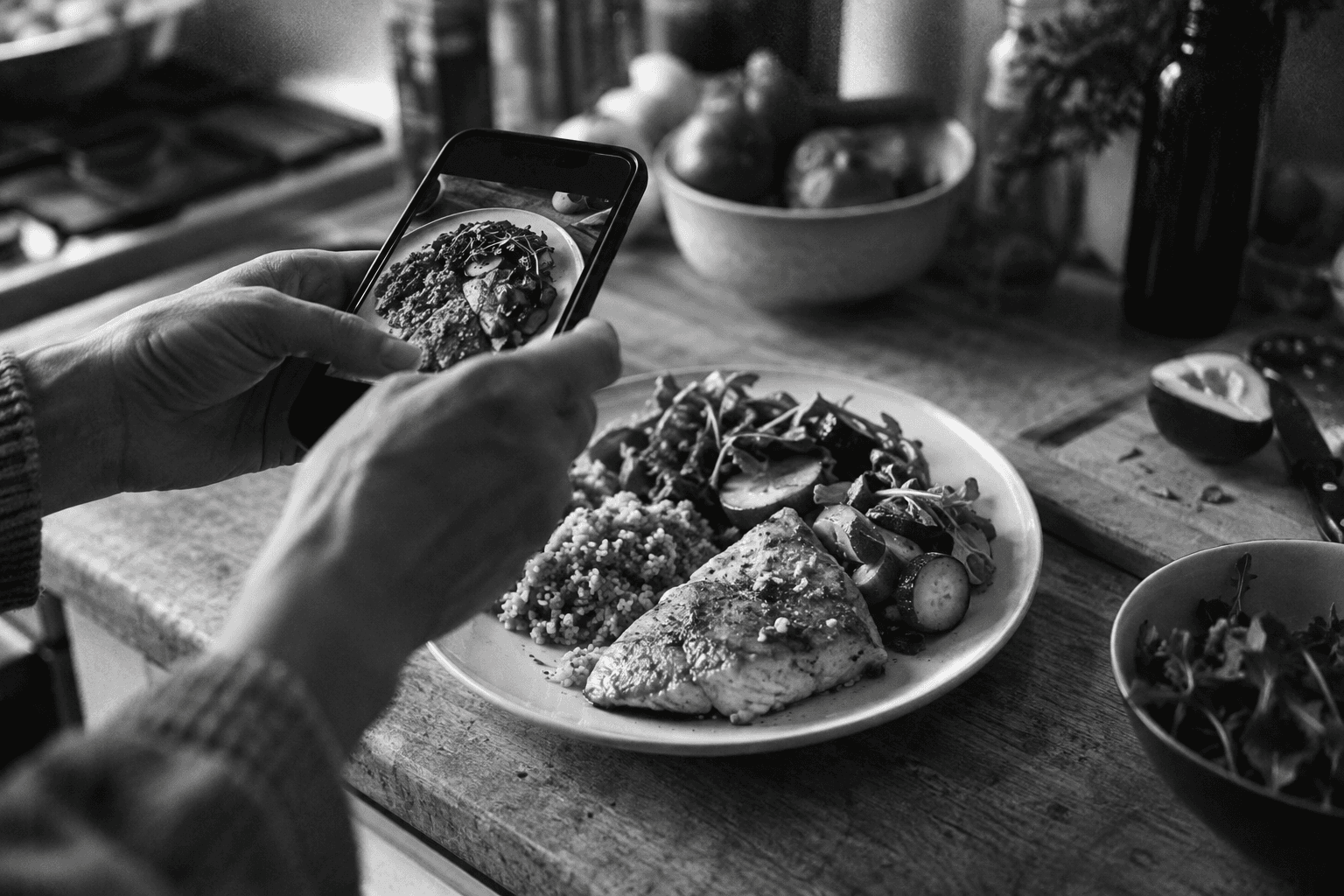
Daily life & routines↗
Food, medication, supplements and daily experience, logged in context and followed over time.
A pilot before a promise.
Test the feasibility and usefulness of the data before committing to a larger collection.
Define
Agree on the task, cohort, rights and acceptance criteria.
Check
Review source access, clinical staffing and legal or ethics requirements.
Pilot
Collect a scoped batch and inspect quality, burden and usable-record yield.
Decide
Review the delivered sample against the brief, then decide whether to expand.
What does your model need to learn?
Start with the task. Define the collection together.
Scope a pilot